Navigation

Get in touch
Logo
News

Data platforms

Your data. No blind spots.

Reports, forecasts and assistants need reliable data. OTOKO® plans and implements a data platform that brings your sources together, controls access and provides data for specific tasks. The starting point can be a single domain, such as sales, production or service.

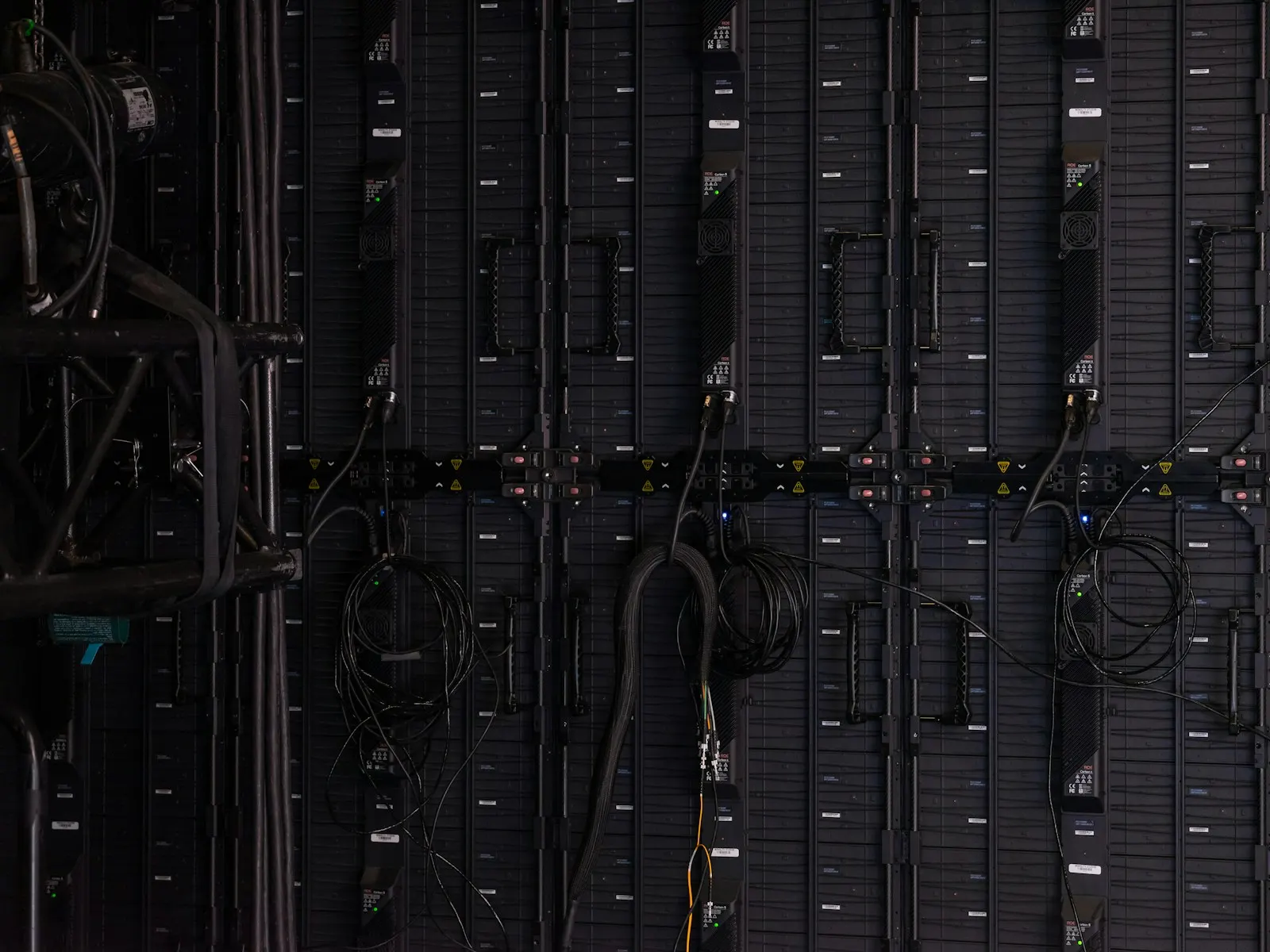
Black cables and wires connected to the back of modular LED display panels — illustrative image
Operational data platform with infrastructure as code · Planning and implementation by OTOKO®

Your brief for OTOKO®

What we take care of for you.

The decisions that data should support come first: which datasets must be available daily, which events immediately and which historical values are needed. From this, we derive the data model, storage needs, update frequency and owners. A data lake takes in different types of raw data; a warehouse provides curated data for analysis. A lakehouse combines these properties but does not replace data ownership. An existing platform is first checked for extensibility before a new one is introduced.

The possible scope of services

  • Target architecture with storage layers, zones for raw and prepared data and an access concept
  • Build with Terraform and Kubernetes, reproducible for test, acceptance and production
  • Data catalog with lineage, owners, quality rules and retention periods
  • Encryption at rest and in transit, key management in an HSM on request
  • Monitoring, backup and recovery with documented recovery times

We define the specific scope, your involvement and the acceptance criteria before the start.

Technology explained clearly

How we carry out the task.

01

Keeping raw data, validated data and approvals apart

We design separate processing layers with traceable transitions. Incoming data is tagged with its origin, load time and a schema; quality rules decide which data is processed further and which is routed for clarification. Repeatable load processes prevent a restart from duplicating figures. Roles are tied to data domains, development access is restricted and retention rules are built into the technical setup. Architecture decisions on file formats, partitioning and compute capacity are tested against your queries and data volumes, so inexpensive storage does not lead to disproportionately expensive analyses.


02

Recovery must work in practice

For acceptance, we look not only at a successful analysis but also at missing sources, damaged inputs and restarting after a failure. Your team receives the data model, an operations manual and named responsibilities. For planning, sample reports, a list of data sources, known data volumes and the intended user groups are helpful. A data catalog shows what has been captured and where the picture is still incomplete.

Meeting room at the OTOKO® Cologne office

A verifiable result

What you keep working with.

  1. Operational data platform with infrastructure as code
  2. Data catalog and data model
  3. Operations manual with access and emergency concept

The handover brings together implementation and documentation. Together, we review the agreed cases and record any remaining tasks.

Your project in detail

A data foundation that business units can actually use.

The technical storage layer is only part of a data platform. We connect the data model, loading paths, access control and operations into one traceable workflow: from the source to the approved metric.

Data domains instead of an unmanageable data swamp

Sales, finance and production often understand different things by a customer or an order. In workshops, we clarify keys, business terms and the point at which changes are authoritatively made. The platform deliberately reflects these differences instead of merging identically named fields without review. Every table provided comes with a purpose, a responsible business unit and a statement on how current it is.

We define separate processing paths for raw data, cleansed data and published data products. Version changes are documented; dependent reports are checked before release. This way, a business unit can use a metric without having to reconstruct its entire technical origin with every query.

Design storage and compute for real usage

Large data volumes alone do not justify a complex architecture. We examine typical queries, concurrent users, load windows and retention. Partitioning, compaction and the separation of storage and processing are chosen based on which tasks actually become faster or more economical. We size a single monthly report differently from a regularly updated operational analysis.

The operating model includes cost control, permissions and recovery. We define which processing stops on a faulty input and which may continue with a visible freshness notice. Your team receives instructions for reprocessing and for checking whether a restored dataset is complete from a business perspective.

Illustrative project scenario

How the service helps in everyday use.

Example: Purchasing and finance work with different supplier lists. A first data domain connects orders, goods receipts and invoices. Instead of migrating all corporate data right away, we first deliver a coordinated dataset for delivery dates and spending. Further domains are only added once responsibilities and benefits are clarified.

This example explains a possible process and is not a customer reference.

Before the first step

Your questions about Data platforms.

Do we need a large lakehouse for this right away?

No. For a limited reporting scope, a manageable warehouse can be sufficient. We size the platform based on data types, timeliness and usage; additional layers must serve a specific purpose.

Can existing databases stay in place?

Yes. Source systems can remain in place and provide data in a controlled way. Whether copies, queries or events make sense depends on load, timeliness and access rights.

Your project

Which task would you like to solve?

Describe your situation and the desired result. The selected service will be included in the contact request.

Request this service

Our Partners

  • Microsoft
  • Microsoft Azure
  • Amazon AWS
  • Google Cloud
  • Thales Group
  • Arrow ECS
  • Vodafone
  • IBM
  • Veeam
  • Atlassian
  • JetBrains
  • NinjaOne
  • OPSWAT
  • Utimaco
  • Eviden

Accessibility

Adjust the display to suit your needs.

A simple version is not available for this page yet.

Settings currently apply to this visit. Allow saving in Cookie settings to remember them.