Navigation

Get in touch
Logo
News

Cloud migration with OTOKO®

Cloud migration without flying blind.

An application is only migrated once login, interfaces, data and daily operations also work at the new location. OTOKO® therefore plans the path to Azure, Telekom T Cloud or another suitable platform from the perspective of your business operations. Systems that belong together move in coordinated steps, with prepared tests, clear cutover decisions and a structured handover.

What we take on for you
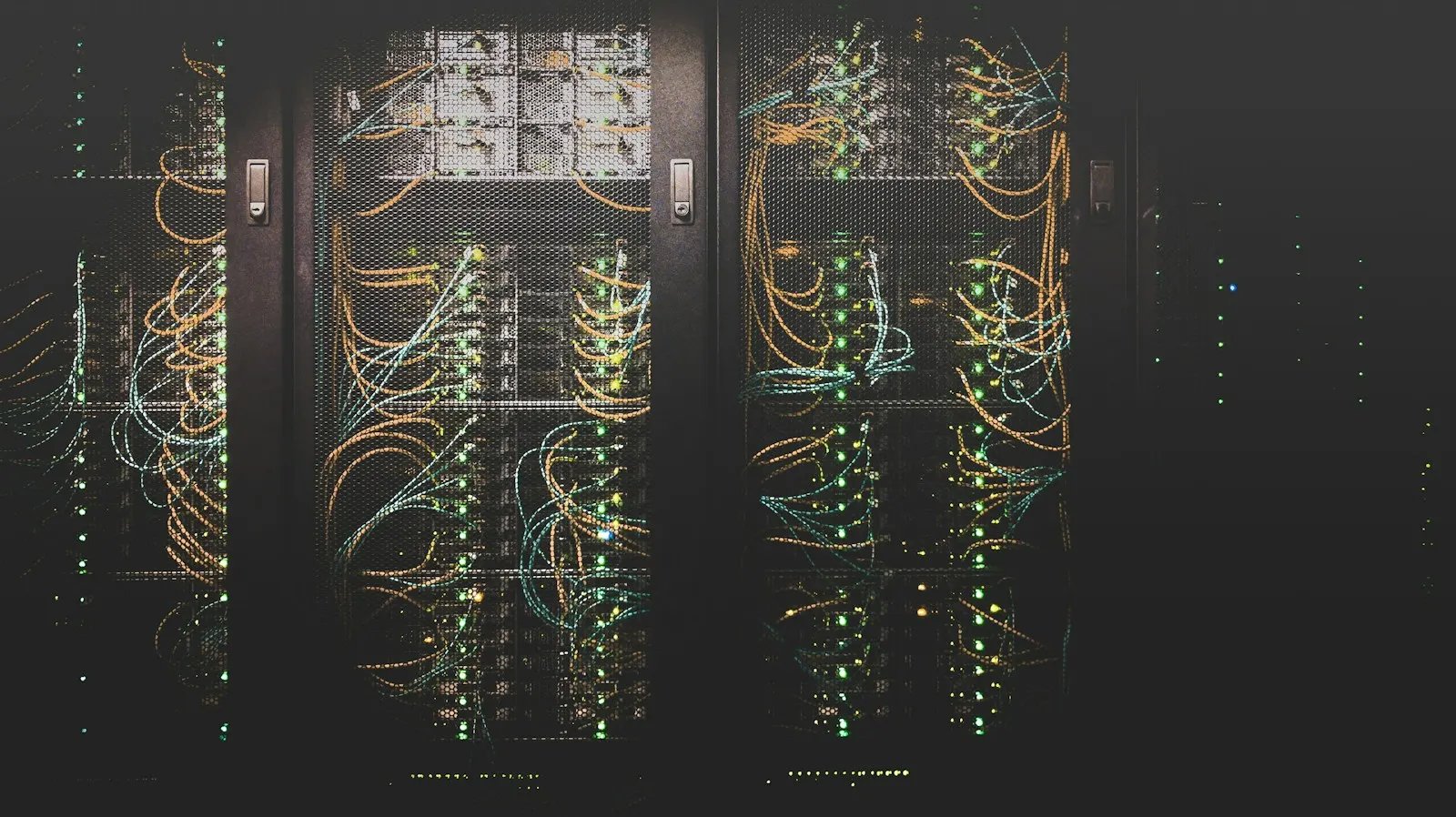
cable network — illustrative image
Cloud migration

Planning, implementation and agreed operations by OTOKO®

Symbolic image · not a photograph of a provider site

Your brief for OTOKO®

Align the move with applications, not server lists.

The termination date for a data center is fixed, but databases, file shares and business applications cannot be moved independently of one another. Before a schedule can be relied on, these dependencies need to be known. Equally important is who confirms that the applications work correctly and under what conditions a cutover is rolled back.

What you engage us for

From the inventory to stabilization, we coordinate the agreed migration steps. The target environment, transfer and technical tests fall within the defined engagement; your application owners take part in the functional checks and acceptance. Decommissioning and handover are planned in from the start, so no unresolved tasks are left over after the move.

The services in detail

Scope

Every migration wave needs solid preparation.

Inventory, the decision on the target environment and the cutover build on one another. Testing and handover are planned early, so that business acceptance and the subsequent decommissioning are not addressed only after the transfer.

Identify systems that belong together

Databases, directory services and interfaces determine which systems have to move together. From the inventory, we form migration groups and assign contacts. Data volumes, maintenance windows and functional checks are clarified for each group before the transfer.

What your team keeps working with

A dependency overview and migration groups with defined owners.

Technical implementation

Discovery & dependency mapping

We record servers, databases, identities and interfaces as connected workloads. License terms and available maintenance windows are factored into the planning. Missing information is documented as a risk instead of being silently assumed to be non-critical.

Determine the right migration path

Transfer unchanged, use platform services or modernize first: the right path depends on the application. Together, we assess the adaptation needed, the operational consequences and the risks of each option. The decision is documented per system, so effort and sequencing stay traceable.

What your team keeps working with

A migration strategy per workload with prerequisites and target operating model.

Technical implementation

Rehosting, replatforming or modernization

We distinguish between a largely unchanged move, adjustments to the target platform and a deeper modernization. Azure Migrate or platform-specific tools can support this. The right method depends on data dependencies, operational requirements and effort.

Prepare and carry out the cutover

On cutover day, many steps have to mesh. A coordinated procedure describes data transfer, checks, approvals and communication. Fallback criteria are also defined in advance, so technical and business owners know when to act or decide.

What your team keeps working with

A coordinated cutover runbook with owners, tests and communication channels.

Technical implementation

Migration waves & cutover

Data transfer, synchronization and cutover follow a runbook. We agree on technical and functional tests, abort criteria and a realistic fallback plan. We do not give a blanket promise of uninterrupted migration; possible downtime is planned per application.

Clean up and hand over after the move

Go-live is followed by monitoring, follow-up work and acceptance. Only then is the decommissioning of the old environment coordinated. The handover records the new configurations, operational responsibilities and open tasks; resources still running in parallel and their costs remain visible.

What your team keeps working with

An acceptance record, updated documentation and a controlled decommissioning plan.

Technical implementation

Stabilization & decommissioning

After cutover, we review operational data and business processes. Old resources are only scheduled for shutdown after acceptance. Retention, licenses and remaining interfaces are taken into account so that parallel environments do not generate unnecessary costs on an ongoing basis.

Planning & implementation in detail

Prepare cloud migration so that business operations keep pace.

A move changes data paths, access and operating processes at the same time. Its complexity therefore cannot be judged from the number of servers alone. Robust planning connects technical dependencies with functional checks and the decisions that must be made during the changeover.

Identify dependencies and form suitable migration waves

An application can depend on components that do not appear on the initial system list: directory services, scheduled background tasks, file shares or the interface of an external partner. Such connections are recorded together with the people responsible. This results in migration groups whose components are switched over together or deliberately kept connected on a transitional basis. Data volumes, maintenance windows and available business contacts influence the sequence. The wave plan thus reflects the actual processes, not just a list of systems that can be moved technically.

A suitable migration path is defined for each group. Some applications can initially be taken over largely unchanged; others require adjustments to the target environment. Further modernization can make sense as a separate step if it would otherwise make the move unnecessarily large. The decision takes migration risk, subsequent operation and available resources into account. Before the transfer, the target environment, access and required connections are checked, so that known prerequisites do not have to be put in place during the planned cutover window.

Plan cutover, business acceptance and fallback together

On cutover day, the data snapshot, changes to access and functional checks must all fit together. A coordinated procedure therefore describes when work in the old system ends, which data is transferred and which tests take place afterwards. This includes contact persons and communication channels. Everyone involved must know who assesses a problem and who decides whether to proceed. Technical reachability is only one check in this process; the application must also be able to handle the transactions relevant to your business operations.

The conditions under which the cutover should be aborted or reversed are also discussed in advance. A fallback is not equally simple for every application, especially if new data has already been created in the target system. Planning therefore records the prerequisites and limits of the intended procedure. The pilot and tests serve to verify assumptions and improve the process. Only with these results can we assess together whether a further migration wave is ready or additional work remains necessary.

Treat stabilization and decommissioning as part of the project

After go-live, new observations can arise: changed load, missing permissions or processes that were not fully visible during testing. Such points are recorded, assessed and addressed during the agreed stabilization phase. The handover to operations includes configuration, access, monitoring and known remaining tasks. Your application owners confirm functional usability; technical and organizational responsibilities are documented so that it is clear after the project ends who responds to further alerts.

Old systems should not simply keep running unchecked afterwards. At the same time, decommissioning must not remove any dependency that is still needed. Together, we therefore determine after acceptance which resources are to be shut down, which data is to be retained and which contracts need to be adjusted. A decommissioning plan records the sequence and approvals. This keeps duplicate costs and open tasks visible. The migration ends with an orderly handover and coordinated follow-up work, rather than with the mere observation that the data now resides in a different location.

How we work together

You know your business.
We handle the agreed cloud work.

You do not have to organize every technical step yourself. We record tasks and decisions and involve your team wherever its knowledge or approval is needed.

01

Defining migration groups

Applications and dependencies are combined into groups that move together. Contacts, data volume and maintenance windows determine the wave plan.

Your contribution: Name the business owners and the dates that matter for operations.

02

Deciding the cutover together

Transfer and technical checks follow an agreed process. Before approval, results and possible fallback criteria are assessed together.

Your contribution: Your application team confirms the functional tests and takes part in the cutover decision.

03

Stabilizing and decommissioning legacy systems

After go-live, open issues are addressed and the operations documentation is handed over. Decommissioning of old resources follows acceptance.

Your contribution: Confirm usability and approve the agreed decommissioning of systems that are no longer needed.

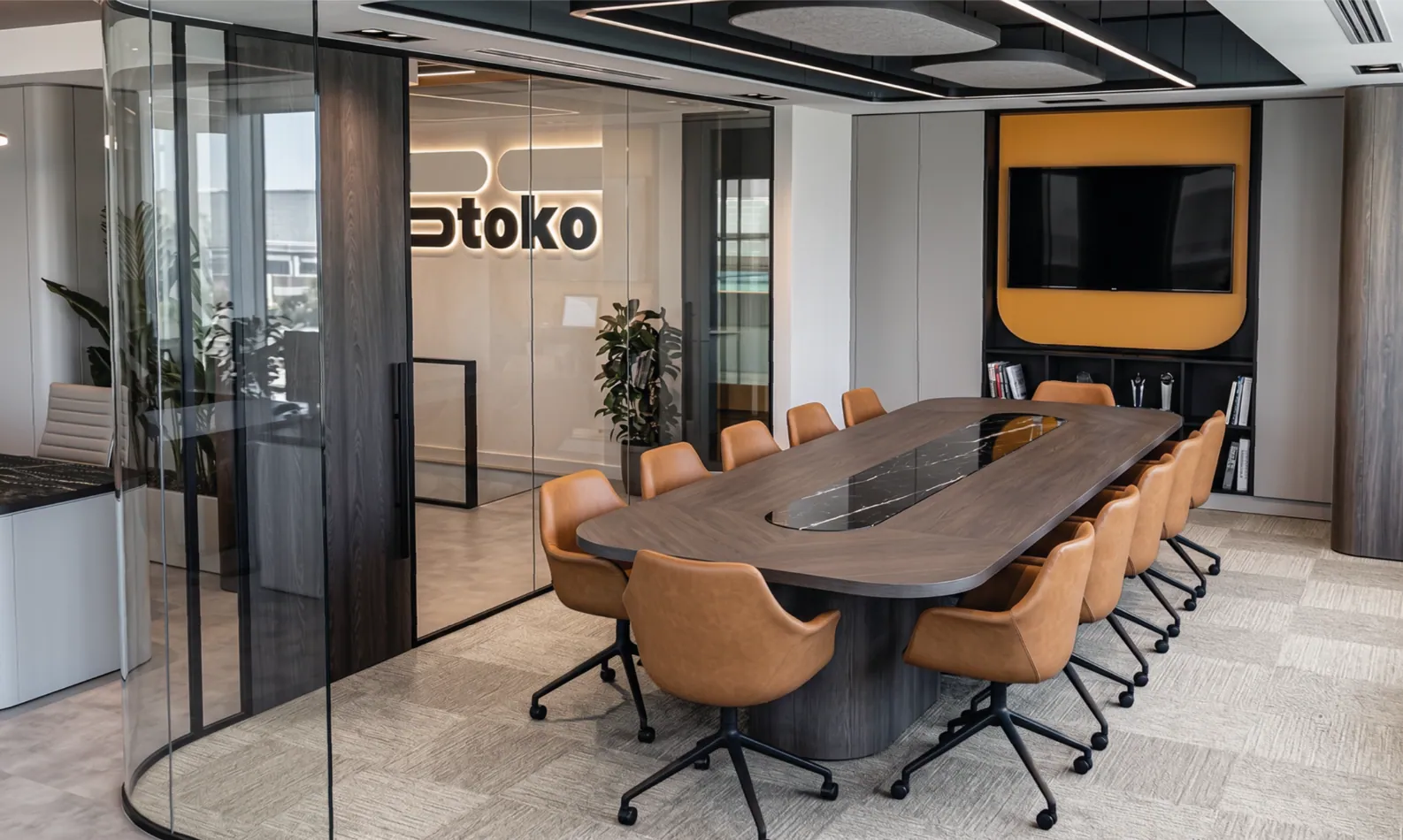
Meeting room at the OTOKO® Cologne office

Example project scenario

A customer portal moves to the cloud

This is what a joint project could look like. The specific scope results from your current situation.

  1. The current situation

    The web application, database and internal user management are interconnected. Ongoing sales operations still need the portal.

  2. Our approach

    We test the target environment, synchronize data and plan the cutover with technical and functional tests.

  3. The target state

    A documented transition with acceptance and a fallback option creates a traceable basis for subsequent operation.

What you get

Results your team
keeps working with.

  • Assessed application portfolio with a migration path per application

  • Wave plan with acceptance criteria and fallback plans

  • Migration log with data reconciliation per wave

From interest to a concrete engagement

How we prepare
your project.

For the first consultation, these documents do not yet need to be complete. Together we clarify what is available and which information the assessment should add.

Helpful for getting started

  • Inventory and contacts for the applications to be migrated
  • Data volume, interfaces and maintenance windows
  • Desired target platform and existing contracts

How this becomes a specific quote

The scope of services, the involvement of your team, required access, acceptance criteria and the handover are recorded in the quote. Provider fees, project services and ongoing operations are clearly separated.

Discuss your assessment

Before you start

Your questions.
Clear answers.

What do we get with Cloud migration?

Assessed application portfolio with a migration path per application. Wave plan with acceptance criteria and fallback plans. Migration log with data reconciliation per wave. We agree on scope and acceptance criteria at the outset.

Can we start with an existing environment?

Yes. We review your existing applications, interfaces and operational processes and scope the required changes together. A complete rebuild is not automatically necessary.

How are effort and responsibility defined?

After the current-state review, we align work packages, responsibilities, acceptance criteria and the handover. This results in a quote for the specific project scope.

Is a migration without downtime possible?

This depends on the application, data storage and transfer method. We plan permissible interruptions and review suitable synchronization. A blanket zero-downtime promise would not be credible without an assessment.

Does a landing zone need to be in place before the move?

The required target foundation for identities, network, logging and operations must be available before the production cutover. Its scope and expansion stage depend on the first workloads and the subsequent plan.

Cloud migration with OTOKO®

What deadline is driving your migration?

The end of a contract or a planned shutdown is a good starting point for the conversation. Together with your application list, the date helps classify dependencies and preparatory work early and set a realistic scope.

First consultation on Cloud migration

Our Partners

  • Microsoft
  • Microsoft Azure
  • Amazon AWS
  • Google Cloud
  • Thales Group
  • Arrow ECS
  • Vodafone
  • IBM
  • Veeam
  • Atlassian
  • JetBrains
  • NinjaOne
  • OPSWAT
  • Utimaco
  • Eviden

Accessibility

Adjust the display to suit your needs.

A simple version is not available for this page yet.

Settings currently apply to this visit. Allow saving in Cookie settings to remember them.