Navigation

Get in touch
Logo
News

ERP rollout

When your ERP holds back growth.

Orders, inventory, production and invoices should fit together. We analyze your core processes, support the ERP selection and implement configuration, data migration and connections. The changeover is prepared with business acceptance tests and a clearly documented procedure.

On this page

Your brief for OTOKO®

What we take care of for you.

Together, we trace real cases from order to payment or from requirement to procurement. Special cases such as partial quantities, returns and later price changes are explicitly included. We then compare standard functions with the necessary extensions. Every deviation from the standard receives a justification and an assessment of maintenance and updates. SAP, Microsoft Dynamics or Infor are evaluated based on your process and existing dependencies; a vendor name does not replace a suitable solution.

The possible scope of services

  • Process capture and cleanup of order-to-cash, purchase-to-pay and master data
  • Platform selection between SAP S/4HANA, Microsoft Dynamics 365 and Infor by size, industry and regulation
  • Connection of MES, web shop, point-of-sale systems, banks and government interfaces
  • Data migration with cleanup, test cycles and acceptance by the business units
  • Cutover planning with time window, fallback plan and hypercare after go-live

We define the specific scope, your involvement and the acceptance criteria before the start.

Technology explained clearly

How we carry out the task.

01

Planning data migration and interfaces together

We define which master and transactional data are migrated, which history only needs to remain readable and who approves the data. Mappings between old and new keys are documented. Test migrations compare quantities, totals and selected documents. At the same time, we review the systems involved: a correct ERP order is not enough if the web shop or warehouse still works with old item numbers. Roles and segregation of duties are coordinated with the business unit and information security.

02

Supporting the first live processes

The cutover plan names hold points, migration steps and business approvals. A fallback is only possible within the previously clarified limits, especially after new postings. During the agreed go-live support, we handle errors by priority and monitor critical processes. Process examples, a system list, data volumes and fixed business dates such as period-end closing or stocktaking help with preparation.

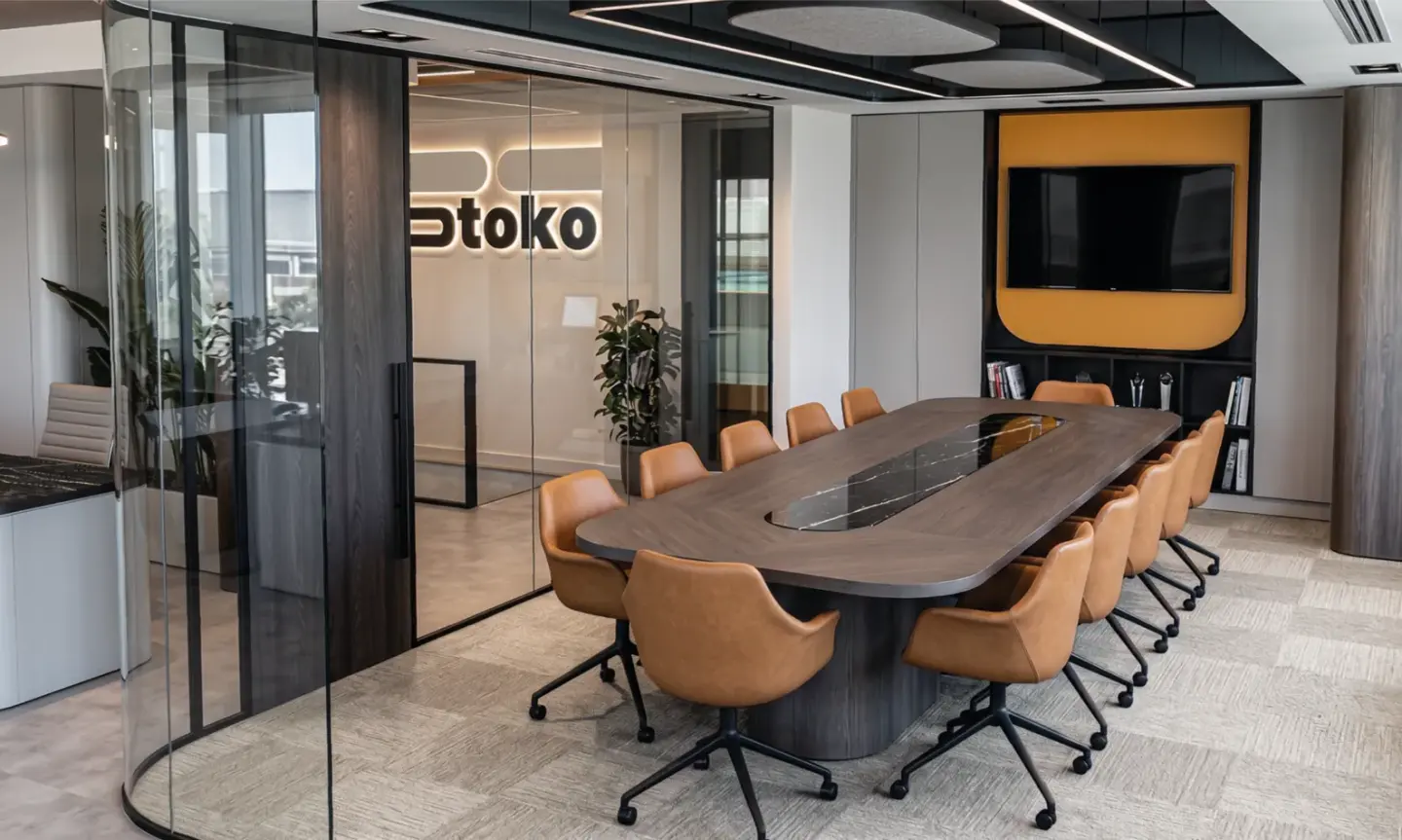
Meeting room at the OTOKO® Cologne office

A verifiable result

What you keep working with.

  1. Target processes with roles and controls
  2. Configured ERP with interfaces and coordinated data migration
  3. Technical process documentation for your audit framework

The handover brings together implementation and documentation. Together, we review the agreed cases and record any remaining tasks.

Before the first step

Your questions about ERP rollout.

Do all processes have to be switched over at the same time?

No. A staggered rollout can make sense if data ownership and interfaces between the old and new system are clearly defined.

Is complete data cleansing a prerequisite?

Not necessarily. We define minimum quality and responsibilities for each rollout step. Critical data errors must be fixed before migration.

What should we know about “ERP rollout”?

Orders, inventory, production and invoices should fit together. We analyze your core processes, support the ERP selection and implement configuration, data migration and connections. The changeover is prepared with business acceptance tests and a clearly documented procedure.

What services does “ERP rollout” include?

Process capture and cleanup of order-to-cash, purchase-to-pay and master data Platform selection between SAP S/4HANA, Microsoft Dynamics 365 and Infor by size, industry and regulation Connection of MES, web shop, point-of-sale systems, banks and government interfaces Data migration with cleanup, test cycles and acceptance by the business units Cutover planning with time window, fallback plan and hypercare after go-live

What results will we receive from “ERP rollout”?

Target processes with roles and controls Configured ERP with interfaces and coordinated data migration Technical process documentation for your audit framework

How does OTOKO® support “Clarifying target processes before extensions”?

Together, we trace real cases from order to payment or from requirement to procurement. Special cases such as partial quantities, returns and later price changes are explicitly included. We then compare standard functions with the necessary extensions. Every deviation from the standard receives a justification and an assessment of maintenance and updates. SAP, Microsoft Dynamics or Infor are evaluated based on your process and existing dependencies; a vendor name does not replace a suitable solution.

What matters when considering “Planning data migration and interfaces together”?

We define which master and transactional data are migrated, which history only needs to remain readable and who approves the data. Mappings between old and new keys are documented. Test migrations compare quantities, totals and selected documents. At the same time, we review the systems involved: a correct ERP order is not enough if the web shop or warehouse still works with old item numbers. Roles and segregation of duties are coordinated with the business unit and information security.

What should we know about “Supporting the first live processes”?

The cutover plan names hold points, migration steps and business approvals. A fallback is only possible within the previously clarified limits, especially after new postings. During the agreed go-live support, we handle errors by priority and monitor critical processes. Process examples, a system list, data volumes and fixed business dates such as period-end closing or stocktaking help with preparation.

How does OTOKO® support “Assessment”?

Processes, system landscape, data quality Business units, IT, data protection, OTOKO® Process Consultant Process map, system inventory, data quality report, prioritized fields of action

What matters when considering “Concept”?

Target processes, architecture, integration plan Business units, architecture, information security Target processes, system architecture, interface register, permission concept

What should we know about “Pilot”?

One process or site in production OTOKO® consultants, key users, your IT Pilot with real data, feedback from key users, decision on rollout

How does OTOKO® support “Implementation”?

Configuration, interfaces, migration, training OTOKO® consultants and developers, key users, your IT Configured system, interfaces, migrated data, training, acceptance

What matters when considering “Operations”?

Monitoring, releases, support OTOKO® operations or your team Monitoring, release planning, support, annual permission review

What services does “Process Consultant” include?

Target processes, requirements, key user alignment

What services does “Integration Architect” include?

System architecture, interfaces, data ownership

Your project

Which task would you like to solve?

Describe your situation and the desired result. The selected service will be included in the contact request.

Our Partners

  • Microsoft
  • Microsoft Azure
  • Amazon AWS
  • Google Cloud
  • Thales Group
  • Arrow ECS
  • Vodafone
  • IBM
  • Veeam
  • Atlassian
  • JetBrains
  • NinjaOne
  • OPSWAT
  • Utimaco
  • Eviden

Accessibility

Adjust the display to suit your needs.

A simple version is not available for this page yet.

Settings currently apply to this visit. Allow saving in Cookie settings to remember them.