
Navigation

Get in touch
Logo
News

Hybrid & multi-cloud with OTOKO®

Multiple clouds. One clear plan.

Systems close to production stay on-premises, new applications run in the cloud and individual services come from another provider. Landscapes like this need an architecture that spans site boundaries. OTOKO® connects your data center, Azure, Telekom T Cloud and other environments, and at the same time clarifies who is responsible for data paths, access and incidents.

What we take on for you
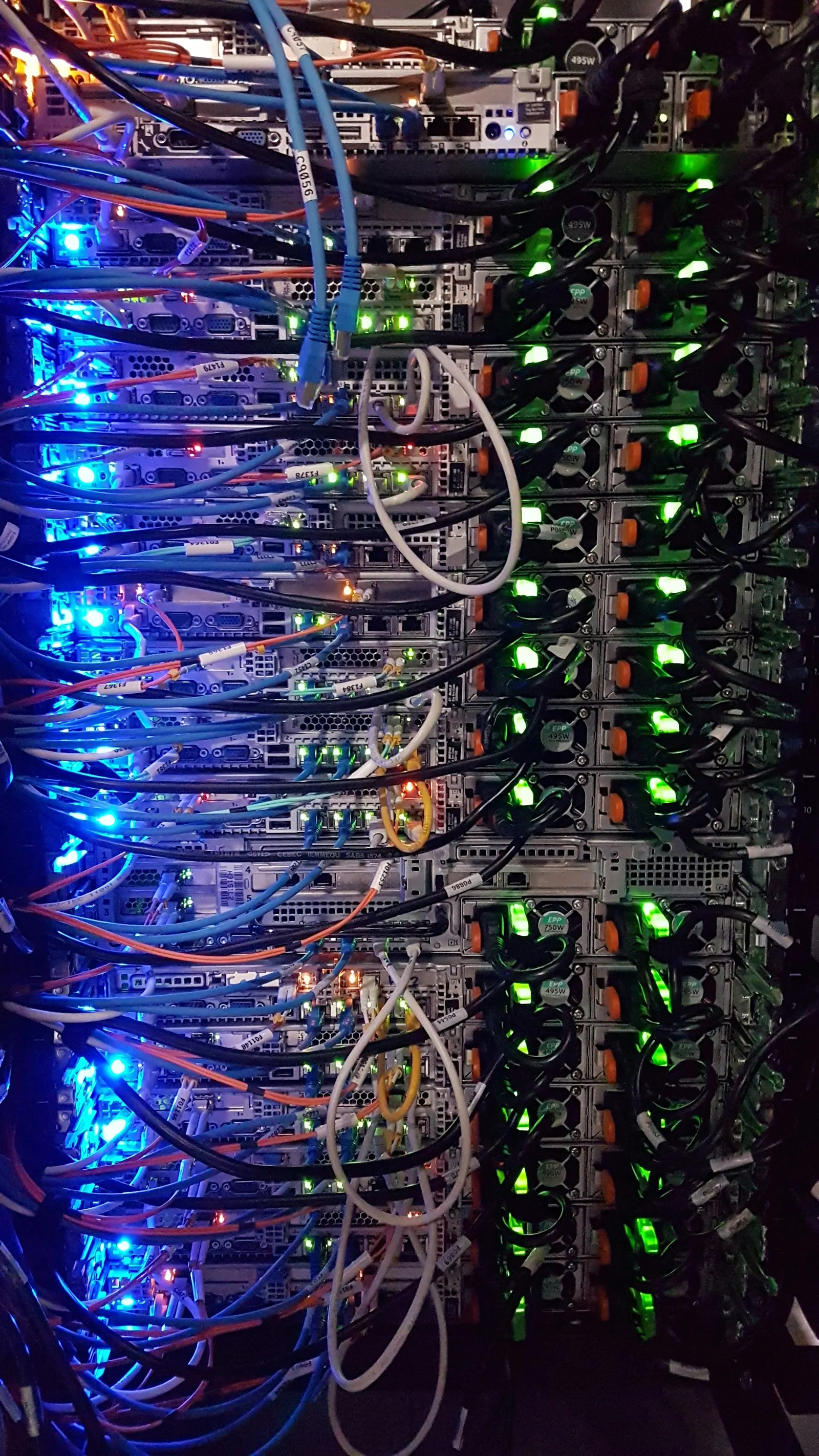
electronic wire lot — illustrative image
Hybrid & multi-cloud

Planning, implementation and agreed operations by OTOKO®

Symbolic image · not a photograph of a provider site

Your brief for OTOKO®

Distributed systems have to function as a whole.

An additional platform does not automatically resolve the dependencies between applications. Distributed data can mean longer response times, extra data traffic and new sources of error. That is why we first examine which components should stay together and what business purpose the distribution serves.

What you engage us for

The integration covers the agreed network and access setup as well as tests of the data paths involved. It also includes coordinating operations and escalation across provider boundaries and documenting the remaining dependencies. A later switch is also assessed in terms of data export and effort.

The services in detail

Scope

Connect data paths and organize responsibilities.

First, a sensible distribution of the applications is assessed. Connections and shared operating procedures follow. Dependencies and the effort of switching remain part of the assessment, even if the current setup initially stays in place.

Determine the right location for each application

Data flows and response times help decide where an application should run. Components that belong together are checked for their dependencies. The target state then explains which parts stay local and which can reasonably be distributed to other environments.

What your team keeps working with

A workload assignment with documented data flows and architectural boundaries.

Technical implementation

Workload placement & data paths

Latency, data volume and dependencies determine where it makes sense to run applications. We review which components should stay together and which can communicate through defined interfaces. Data locations are considered across the entire processing path.

Connect sites and clouds

Connections also have to work under changed conditions. After setting up the planned network paths and access rules, we therefore test the effects of an interruption. This shows which applications are affected and what operational response is required.

What your team keeps working with

A connectivity concept with test cases for normal operation and disruptions.

Technical implementation

VPN, private connections & DNS

Connections receive coordinated routing, name resolution and access rules. ExpressRoute is one Azure option; Telekom and other cloud connections are planned according to the specific offering. Outages and available bandwidth are part of the evaluation.

Organize joint operations

With several providers, an incident must not fall between areas of responsibility. Reporting channels, access responsibility and change coordination are defined jointly. The operations documentation shows who takes ownership of an incident and which other parties need to be involved.

What your team keeps working with

A responsibility matrix and coordinated access and escalation procedures.

Technical implementation

Identities & cross-platform operations

We clarify how users and systems access services and who approves changes. Monitoring and escalation must bridge several platform boundaries. A shared operations concept shows what local IT, the cloud providers and OTOKO® are each responsible for.

Plan ahead for a later switch

A possible switch of provider depends on data formats, export paths and the services used. These dependencies are captured and assessed for effort. In addition, we consider ongoing data traffic and additional operational tasks, so the economics of the distribution remain transparent.

What your team keeps working with

A documented exit approach with remaining dependencies and effort assumptions.

Technical implementation

Portability & exit planning

Containers and infrastructure as code can support repeatability, but they do not automatically make services interchangeable. We record platform-specific dependencies, data export and switching effort. Ongoing data transfer and duplicate operations tasks are also included in the cost assessment.

Planning & implementation in detail

Multiple environments need a shared view of the application.

Hybrid and multi-cloud architectures can connect existing systems with new possibilities. However, they also bring additional interfaces in technology and operations. We therefore first examine the purpose of the distribution and design the interaction of the environments around it.

Derive the right operating location from the dependencies

A system cannot be placed sensibly without knowing its data paths. A locally operated application can be closely connected to a database, machine connectivity or user management. If individual parts are relocated, response times and dependence on connections can become more important. Together, we therefore examine which components should stay together and which can actually be operated separately. The desired use of multiple providers is assessed against these requirements, rather than being assumed as a goal in itself.

The target state takes the business benefit into account as much as the additional effort. Different environments may require their own access procedures, tools and skills. Ongoing data traffic and the support of shared interfaces are also part of the assessment. The decision documents why an application remains in a particular location or is to be relocated there. This results in an architecture that remains verifiable when changes are made later and whose distribution can be explained by the requirements of your applications.

Test connections using complete business processes

A successful network connection does not by itself prove that the application works fully over that connection. Name resolution, user rights, data access and external interfaces can have additional prerequisites. During implementation, the required communication paths are therefore recorded and set up together. Technical and business stakeholders then review the relevant processes. This makes it possible to determine whether the environment is not just reachable, but actually fulfills its intended tasks under the new conditions.

Beyond that, we assess what happens in the event of an interruption. Which components remain usable, which processes have to wait and which data must be reconciled later? The answers determine which procedures are needed in operation. Tests and documentation make the limits of the chosen architecture visible. Where a desired behavior is not achieved, a deliberate decision must be made about adjustment, additional measures or the remaining limitation. This decision is part of the acceptance of the integration.

Plan for responsibility and a possible later switch from the outset

In the event of a disruption across multiple environments, it is often initially unclear which part is the cause. Without coordinated reporting channels, several parties can then each point to a different area of responsibility. Together, we therefore define who takes ownership of an incident, what information is needed and how further parties are involved. Coordination for changes is described as well, so that an intervention in one environment does not have unnoticed effects on other applications or locations.

A later switch is assessed on the basis of concrete dependencies: data export, services used, configuration and necessary adjustments to the application. Using multiple providers does not automatically mean that an application can be moved between them without further effort. These limits are documented and the potential effort is gauged. This gives your team a sound basis for future decisions and lets it assess what preparation would be required for relocating or consolidating the landscape.

How we work together

You know your business.
We handle the agreed cloud work.

You do not have to organize every technical step yourself. We record tasks and decisions and involve your team wherever its knowledge or approval is needed.

01

Assess data paths together

Dependencies and response time requirements determine a sensible distribution. From this, we derive the required connections and operational interfaces.

Your contribution: Explain the critical business processes and name the people responsible for the environments involved.

02

Test the integration end to end

Connections and access are set up and checked as complete application paths. The behavior during an interruption is also considered.

Your contribution: Involve the respective system teams in testing and in assessing the impact.

03

Bridge provider boundaries in operations

Reporting channels and change coordination are documented across all parties involved. Remaining dependencies stay visible for later decisions.

Your contribution: Confirm contacts and escalation paths for each environment involved.

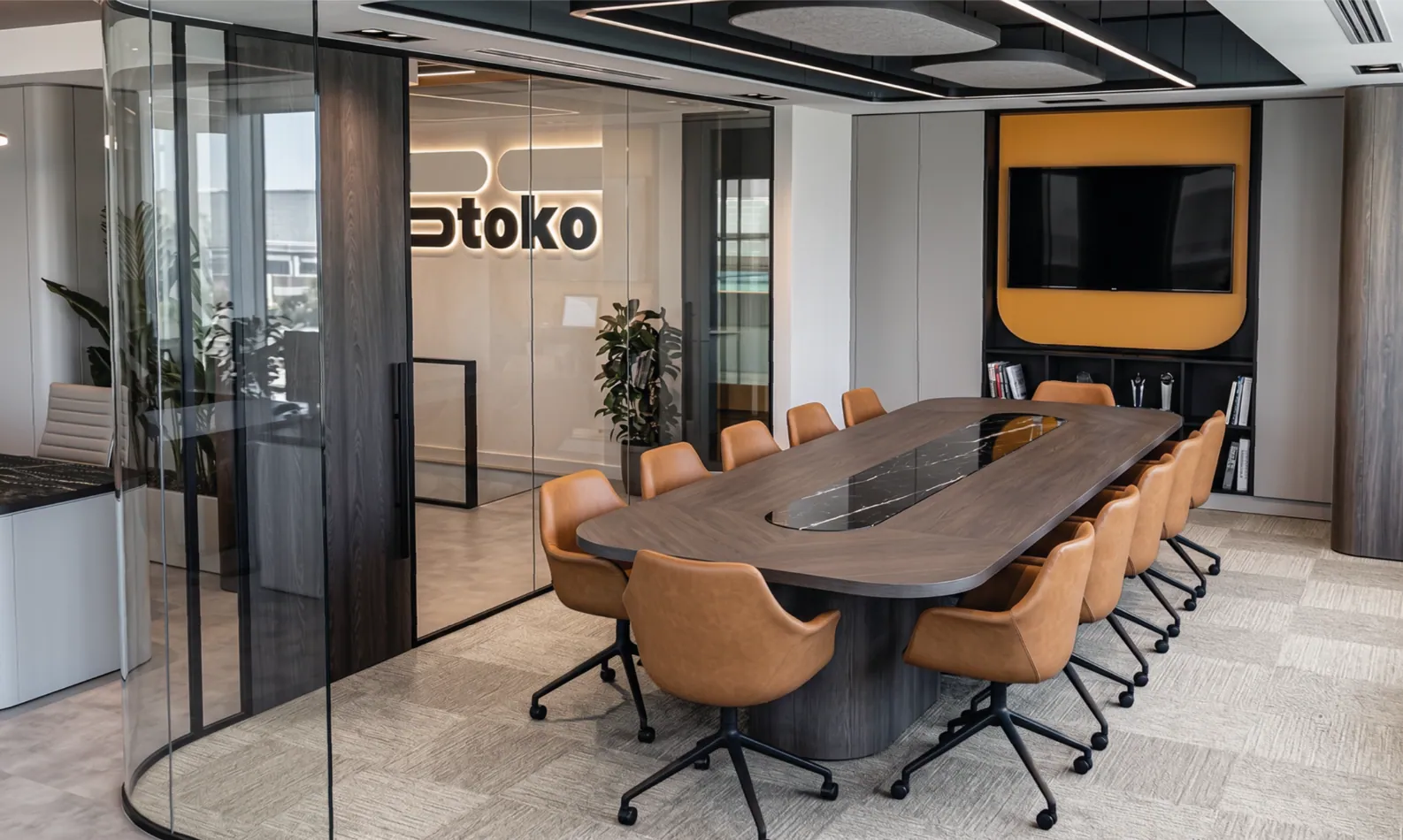
Meeting room at the OTOKO® Cologne office

Example project scenario

Production on site, customer portal in the cloud

This is what a joint project could look like. The specific scope results from your current situation.

  1. The current situation

    On-site systems are to stay in place, while a public portal needs to keep evolving flexibly.

  2. Our approach

    We define the boundaries of data flows and plan the connection, identities and behavior during connection failures.

  3. The target state

    A documented hybrid architecture connects both worlds with traceable security and operating boundaries.

What you get

Results your team
keeps working with.

  • Placement matrix with justification per workload

  • Network and identity architecture across all environments

  • Exit strategy with a switch path per application

From interest to a concrete engagement

How we prepare
your project.

For the first consultation, these documents do not yet need to be complete. Together we clarify what is available and which information the assessment should add.

Helpful for getting started

  • Locations, networks and existing cloud environments
  • Critical data flows and latency requirements
  • Requirements for outages, data storage and changing providers

How this becomes a specific quote

The scope of services, the involvement of your team, required access, acceptance criteria and the handover are recorded in the quote. Provider fees, project services and ongoing operations are clearly separated.

Discuss your assessment

Before you start

Your questions.
Clear answers.

What do we get with Hybrid & multi-cloud?

Placement matrix with justification per workload. Network and identity architecture across all environments. Exit strategy with a switch path per application. We agree on scope and acceptance criteria at the outset.

Can we start with an existing environment?

Yes. We review your existing applications, interfaces and operational processes and scope the required changes together. A complete rebuild is not automatically necessary.

How are effort and responsibility defined?

After the current-state review, we align work packages, responsibilities, acceptance criteria and the handover. This results in a quote for the specific project scope.

Is multi-cloud automatically more fault tolerant?

No. Shared identities, networks or databases can still be single points of failure. Additional providers improve availability only with an application architecture designed and tested for it.

Does Kubernetes eliminate all dependency on a provider?

No. Databases, storage, networks and operating processes often remain platform-specific. We assess portability for the entire workload.

Hybrid & multi-cloud with OTOKO®

Which sites and clouds need to work together?

Describe the applications that communicate across environment boundaries today. Together, we look at data paths, response times and responsibilities, and determine which integration is needed first.

First consultation on Hybrid & multi-cloud

Our Partners

  • Microsoft
  • Microsoft Azure
  • Amazon AWS
  • Google Cloud
  • Thales Group
  • Arrow ECS
  • Vodafone
  • IBM
  • Veeam
  • Atlassian
  • JetBrains
  • NinjaOne
  • OPSWAT
  • Utimaco
  • Eviden

Accessibility

Adjust the display to suit your needs.

A simple version is not available for this page yet.

Settings currently apply to this visit. Allow saving in Cookie settings to remember them.